ORCHID: Healthy mums, healthy bubs
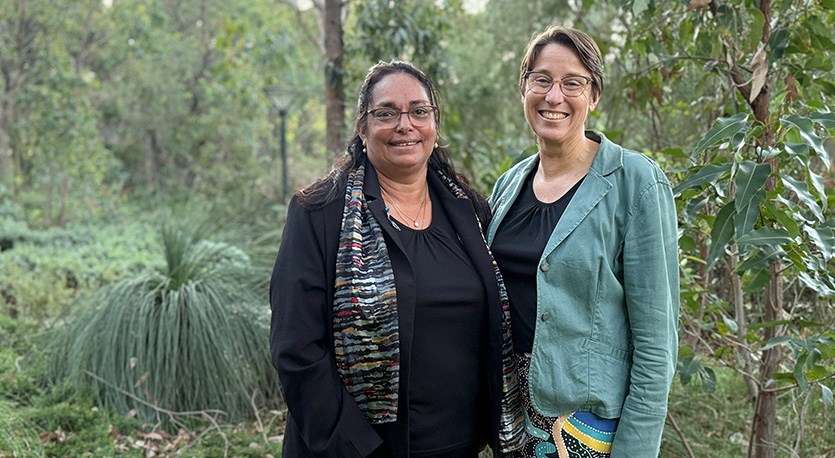
Bardi Jawi Traditional Owner Ms Erica Spry ‘Roobaanjarn’ and Dr Emma Jamieson, UWA
Australia has seen diagnoses of gestational diabetes (hyperglycaemia in pregnancy) rise over the past decade, with almost one in five women now affected during pregnancy. The condition increases the risk of complications during pregnancy and birth, and increases the likelihood of developing type 2 diabetes and heart disease later in life. These risks are disproportionately experienced by Aboriginal women, particularly in rural and remote regions where limited access to culturally appropriate screening and care can contribute to under-diagnosis and reduced engagement with treatment.
Traditionally, gestational diabetes was diagnosed using a two-hour oral glucose tolerance test (OGTT), a process that was difficult to complete in rural and remote communities and often produced inaccurate results because blood samples degraded before reaching the laboratory.
“Healthy people will equal a healthy country.”
Origins of ORCHID
Early research led by Professor Julia Marley at the Rural Clinical School of Western Australia (RCSWA), UWA Medical School and Kimberley Aboriginal Medical Services (KAMS) identified important gaps in diabetes detection and care in remote Aboriginal communities. Her 2011-2013 work focused on improving diabetes screening in remote primary healthcare settings in Western Australia (WA), while subsequent research identified opportunities to strengthen patient recall, data collection and coordination between health services and allied health providers. These findings highlighted the need for more accurate testing methods and more accessible, culturally appropriate models of care.
Building on this earlier work, the ORCHID Study was established in 2014 as a multi-site research partnership spanning regional, rural and remote Western Australia. The program is led by Rural Clinical School of WA and UWA Medical School researchers Dr Emma Jamieson and Research Fellow Ms Erica Spry, a Bardi Jawi Traditional Owner from the Kimberley region of Western Australia and KAMS senior Aboriginal research officer, working alongside ORCHID founder Professor Julia Marley. Together with Aboriginal communities, healthcare providers, KAMS and the WA Country Health Service, the team has developed and tested more accurate approaches to screening and managing hyperglycaemia in pregnancy, while co-designing culturally informed models of care that better support women and families. The study aimed to improve the detection of gestational diabetes in rural and remote communities and has since evolved into a long-term program focused on improving self-management and outcomes for women, babies and families.
Over three phases, ORCHID has received support from: UWA, RCSWA, the Australian Government Medical Research Future Fund, WA Department of Health, Diabetes Australia, Diabetes Research WA, and the Lishman Health Foundation.
The study has evolved from a screening project into a long-term program focused on improving the care journey for women, babies and families through clinical research, community leadership and practical health service improvements. Researchers worked with communities across the Kimberley, Goldfields, Midwest, South West and Great Southern regions of Western Australia to understand enablers and barriers to gestational diabetes screening and care.
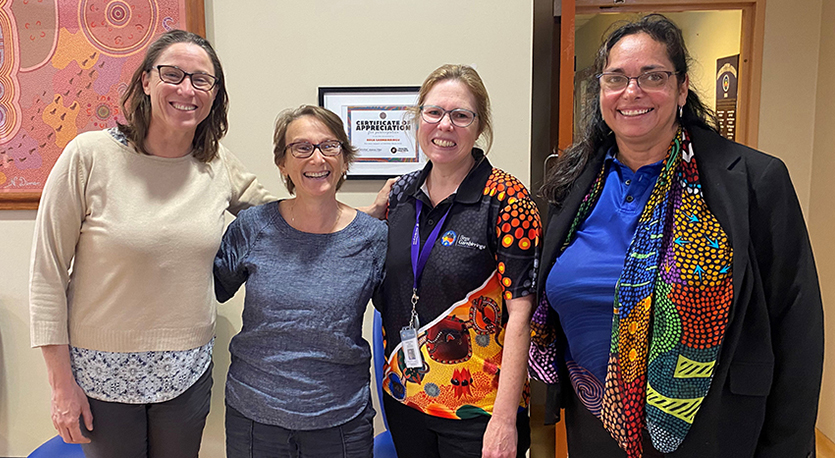
Members of the ORCHID team medicine. Dr Emma Jamieson, Professor Julia Marley, Ms Janelle Dillon, Ms Erica Spry.
Better screening, better diagnosis
By the time ORCHID commenced, many women in rural and remote communities were not completing gestational diabetes screening, and those who did were often tested using methods that produced inaccurate results because blood samples degraded before reaching the laboratory. Aboriginal women were disproportionately affected because of the higher prevalence of diabetes and the challenges of accessing services in rural and remote locations.
In 2019, ORCHID researchers demonstrated that blood samples collected in standard fluoride-oxalate tubes were often analysed more than four hours after collection, allowing ongoing glycolysis to reduce measured glucose levels. The study estimated that this could result in a 62% under-diagnosis of gestational diabetes. Researchers identified fluoride-citrate-EDTA (FC Mix) tubes as a practical solution because they immediately stabilise glucose, do not require rapid centrifugation, and can be used in clinic settings where pathology services are limited.
Through partnerships with Kimberley Aboriginal Community Controlled Health Organisations (ACCHOs), FC tubes were adopted into routine care in 2019. Following implementation, gestational diabetes diagnoses increased 2.8-fold, with rates rising from 14% to 40%. This revealed many previously missed cases and enabled more women to access appropriate management and treatment.
The findings have influenced national discussions on glucose testing and laboratory practice. ORCHID researchers participated in national pathology and diabetes working groups addressing glucose sample instability and informed recommendations within the 2025 Australasian Diabetes in Pregnancy Society guidelines. In collaboration with Diabetes WA, the team also submitted a position statement to the Royal College of Pathologists of Australasia supporting broader adoption of improved testing approaches.
“Only half of women were having blood samples collected in rural and remote Australia, and Aboriginal women were even less likely to do it – which was a big concern, due to the higher prevalence of diabetes in the Aboriginal population.”
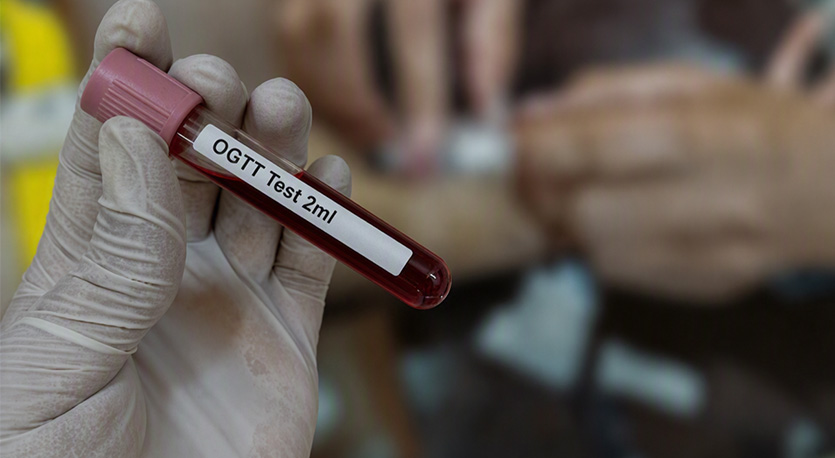
FC tubes have been adopted into routine care in the Kimberley region
Co-creating better care
The ORCHID program operates as a co-created, community-based participatory research partnership involving the RCSWA, UWA Medical School, KAMS, South West Aboriginal Medical Service, Broome Regional Aboriginal Medical Service, Aboriginal Community Controlled Health Organisations (ACCHOs) and the WA Country Health Service. The partnership brings together Indigenous and western knowledge systems in the design and conduct of the research, and self-management strategies with Aboriginal women, their families and health professionals.
Key features of the program include:
- Co-create with Aboriginal women, families and communities, to shape research priorities and culturally appropriate care strategies.
- Aboriginal leadership and participation across the research team.
- Partnerships with ACCHOs to support Aboriginal-led service delivery and implementation.
- Ongoing three-way learning between Aboriginal community members, healthcare providers and researchers.
- Yarning sessions with Aboriginal women, families, Elders and healthcare providers that inform program development.
- Established governance structures with 21 Aboriginal Community Investigators.
- Culturally secure screening, education and care pathways for Aboriginal women and families.
Ongoing audits of screening practices and regular feedback to clinical forums have supported continuous quality improvement and helped ensure the program remains responsive to community needs.
“With three-way learning the researchers, community and healthcare providers are learning and sharing knowledge. Combined, that’s improving the health of mums, bubs and families.”
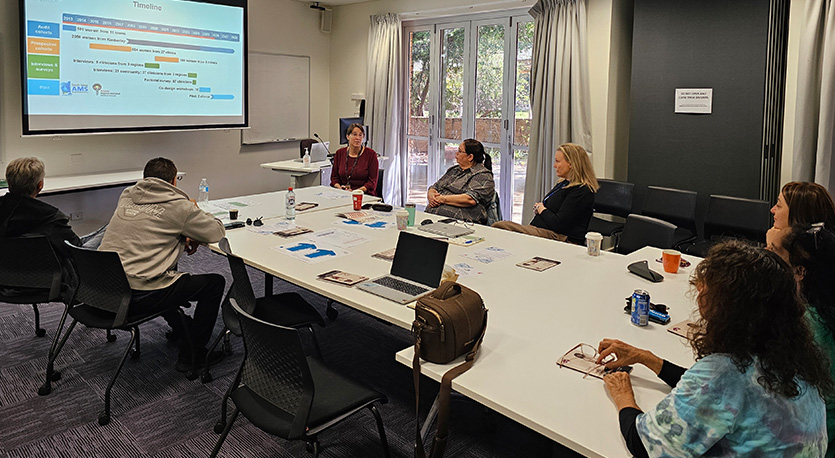
Co-design and three-way learning ensures the research is responsive to community needs.
Navigating a community care model
Through yarning sessions and workshops with Aboriginal women, families, Elders and health professionals across WA, ORCHID identified community priorities for diabetes care. Participants highlighted the need for peer mentors, ongoing support beyond pregnancy to reduce future type 2 diabetes risk, and family-centred approaches that involved fathers, grandparents and family.
This led to the development of a Community Aboriginal Health Navigator model, designed to provide practical, culturally appropriate, secure support, strengthen continuity of care after birth, and help women remain connected to health services and diabetes prevention programs.
The project brought together researchers, Aboriginal health leaders, community members, clinicians and students across 27 sites in regional, rural and remote WA. In addition to improving care, ORCHID has strengthened research capacity, with several participating clinicians progressing to higher degrees, supervising students and becoming active researchers.
At a clinical level, the program has informed more timely and effective management of diabetes in pregnancy, supporting women to access appropriate care and follow-up. By placing communities at the centre of solution design, ORCHID has developed approaches that are practical, culturally appropriate and more likely to be adopted and sustained, helping to improve health equity for Aboriginal women and families.
“The ORCHID study is a part of the solution. It delivers results that are meaningful and very relevant to First Nations Australians and Torres Strait Islander women. Even though we are doing this for Aboriginal health, it is relevant to all ethnicities.”
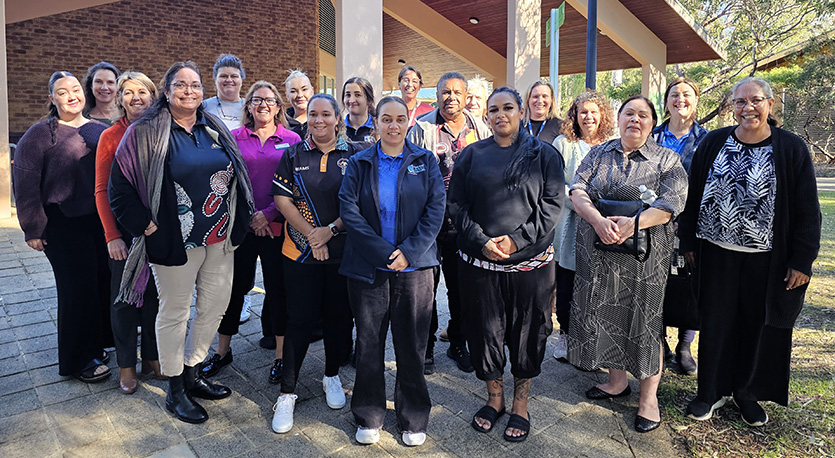
The Community Aboriginal Health Navigator model ensures the community are part of the solution.
DESY yarning
The influence of ORCHID extends beyond clinical practice to education and self-management support. In partnership with Diabetes WA the team facilitated DESY (Diabetes Education and Self-management Yarning) training for two pilot sites. DESY is a community co-designed and culturally adapted education program for Aboriginal and Torres Strait Islander people living with type 2 diabetes, and their families. Using visual resources, food models and yarning-based learning, DESY provides culturally safe support for diabetes education and self-management. The program is recognised by Diabetes Australia and featured among diabetes education programs available through Diabetes WA.
“Community came up with recommendations for what a programme of care should look like.”
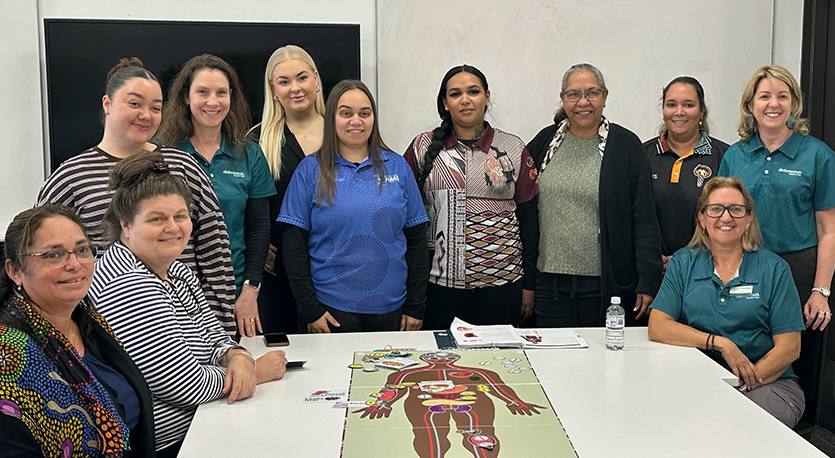
DESY provides culturally safe support for diabetes education and self-management.Save
Mariah’s story
The program has built partnerships between clinicians, Aboriginal health organisations, researchers, and women with lived experience.
Emma Jetta and her daughter Mariah Wallam are both proud Noongar yorgas from Southwest WA and Co-Investigators on the ORCHID Project. During her own pregnancy, Mariah’s grandmother, Aunty Eva, had attended a community workshop with the ORCHID Study and had encouraged Mariah to take an oral glucose tolerance test. Mariah was diagnosed with gestational diabetes and from there, became actively involved in the project as a community co-investigator.
Mariah has since become a lived-experience advocate and community mentor, helping to educate and support other women and families through workshops, and educational resources, including a 2024 video explaining gestational diabetes for a men’s-only workshop where she featured with her mother, Emma.
“I love helping mums and bubs. When women have good support around them, it can make a real difference to the family.”
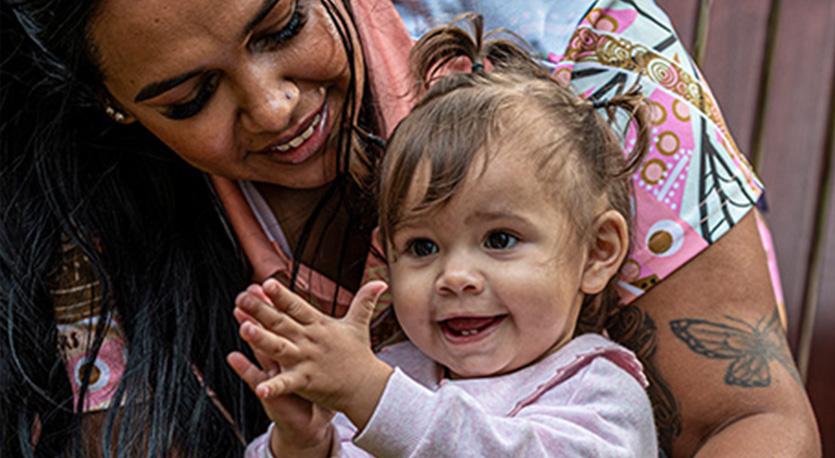
Mariah Wallam and her baby girl. From patient to mentor for other mums in rural communities.
The ORCHID Study demonstrates how co-created research can deliver meaningful change. By improving the early detection and management of hyperglycaemia in pregnancy, and ensuring solutions are community-led, the program has developed approaches that are practical, trusted and sustainable. This is helping to reduce the intergenerational impacts of diabetes and improve health outcomes for women, babies and families.